

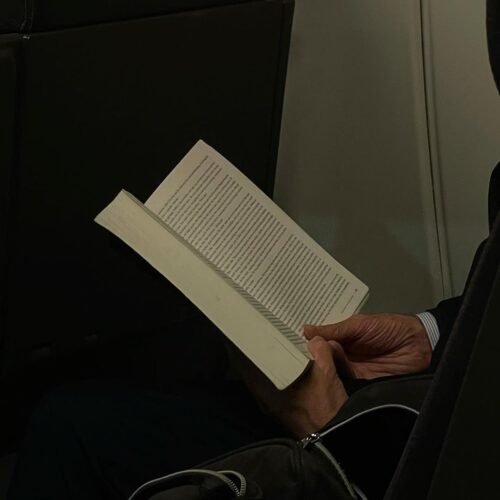
Over time, reading has quietly picked up rules: Read the right books. Read often. Read with intent. For many people, that is exactly what makes reading feel unapproachable. Turning a non-reader into a reader has far less to do with discipline and far more to do with enjoyment. We at The Bombay Circle Press have a few ways to make reading feel accessible, enjoyable, and genuinely inviting.
Start with what they are already interested in
It makes perfect sense to read books about things you already enjoy, and yet this is often overlooked. If someone loves finance, there are engaging books on money, investing, business stories, and economic history. If they enjoy history, there are narrative-driven historical books that read like novels. Fans of psychology, politics, science, food, travel, fashion, mythology, or even internet culture can all find books written specifically for those interests.
Reading does not have to begin with fiction, nor does it have to begin with “serious” literature. There is an enormous range of genres to explore, and interest is the strongest entry point. When people realise that books exist within the worlds they already care about, reading feels more logical rather than forced.
Let reading evolve naturally
Many non-readers feel discouraged before they even begin because they believe they need to read in a particular way to count as “readers.”
Reading habits are rarely linear. Someone may read constantly for a few weeks and then not read at all for a while. They may abandon multiple books before finding one that clicks. Some may start reading physical books and then shift to audio books. All of this is normal. Reading becomes sustainable when it is allowed to change with mood, time, and interest, without judgement.
Explore different formats of reading
For many people, physical books simply are not the most comfortable way to read. Some readers concentrate better with audiobooks, especially during commutes, walks, or household tasks. Others prefer e-books because they are easier to carry, and allow reading in short bursts. Some enjoy essays, short stories, or digital reading platforms that fit into a busy schedule. There is no hierarchy of formats. What matters is finding the form that fits naturally into someone’s life. Once reading stops competing with daily routines and starts blending into them, it becomes far easier to sustain.
Make reading a shared experience
One of the most enjoyable parts of reading is being able to share it with other people. Talking about a book, recommending it, disagreeing about characters, or reacting to an ending adds a layer of connection that makes reading more memorable. Book clubs, online reading communities, buddy reads, or even casual conversations about books help create that sense of shared excitement.
Remove reading goals altogether
Setting reading goals has become increasingly popular, whether it is reading a certain number of books in a year or finishing a book every week. While this works well for some readers, it is not necessarily for everyone.
For many people, goals turn reading into pressure. Pages are rushed, books are finished for the sake of completion, and enjoyment takes a back seat. Reading does not need targets, timelines, or metrics to be meaningful. Reading should be about enjoyment, curiosity, and connection with a story or idea. It is not about how much can be read, but how it feels while reading.
Turning a non-reader into a reader is not about convincing them that books are important. It is about showing them that reading can fit into their life as it already exists. Once reading feels flexible, personal, and free of expectations, it stops being intimidating and starts becoming something people reach for on their own.
If you think these tips were helpful, head out to our bulletin board to find your next perfect read!