

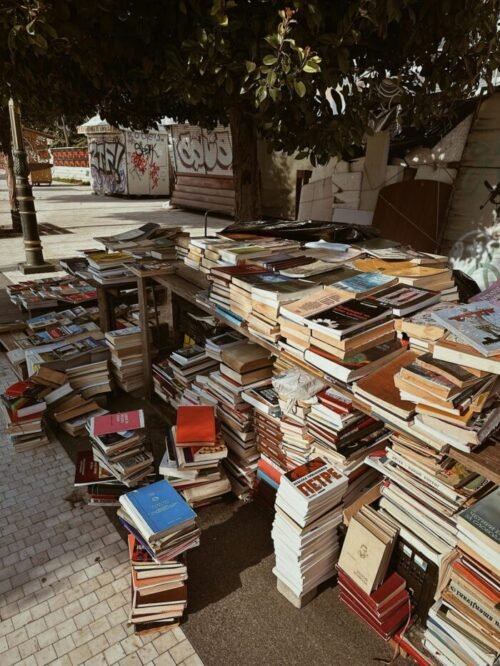
A ₹100 book feels like a win. Easy on the pocket. Hard to resist. On a pavement stall or a quick online search, it almost feels like you’ve outsmarted the system.
But that ₹100 book rarely costs just ₹100.
For readers, it’s a bargain. For authors and publishers, it tells a very different story—one about piracy, fragile economics, and the quiet ways the publishing ecosystem gets eroded.
At The Bombay Circle Press, we spend a lot of time thinking about what goes into a book before it reaches that price point. Long before it is printed and sold, a book is built—slowly. An author spends months, often years, writing and rewriting. Editors step in to shape the work. Designers, proofreaders, printers, distributors—each adds a layer of labour and care. Publishing is not a single act. It is a chain.
Piracy breaks that chain.
That ₹100 copy on the street or floating around as a free PDF is usually not part of the system that created the book. It sits outside it. And while it may look identical, it carries none of the value back to the people who made it possible.
It’s easy to think—what difference does one copy make?
But piracy doesn’t work one copy at a time. It scales. One file becomes hundreds of downloads. One reprint becomes stacks across multiple stalls. For large publishers, this may register as leakage. For independent presses, it can reshape decisions. Fewer risks. Smaller print runs. Hesitation around new or experimental voices.
For authors, the impact is sharper. Early sales matter. They influence visibility, future deals, and whether a second book becomes viable at all. When piracy undercuts those first few months, it doesn’t just reduce income—it disrupts momentum. And in publishing, momentum is everything.
This is where readers come in, often without realising it.
There is a growing appetite for better books—stories that feel rooted, specific, and original. Independent publishing in India has been responding to that demand, building lists that reflect a wider range of voices and experiences. But this ecosystem is still young. And it is sensitive to how books are consumed.
Choosing a pirated copy may feel like a small, practical decision. But multiplied across readers, it shapes what survives in the market.
None of this ignores the question of access. Books can be expensive. They are not always easy to find. Bookstores are unevenly distributed. Libraries are underfunded. These are real gaps, and the publishing industry needs to keep working at them—through better pricing, wider reach, and more inclusive access.
But piracy isn’t solving these problems. It’s bypassing them, while weakening the system that needs to grow stronger.
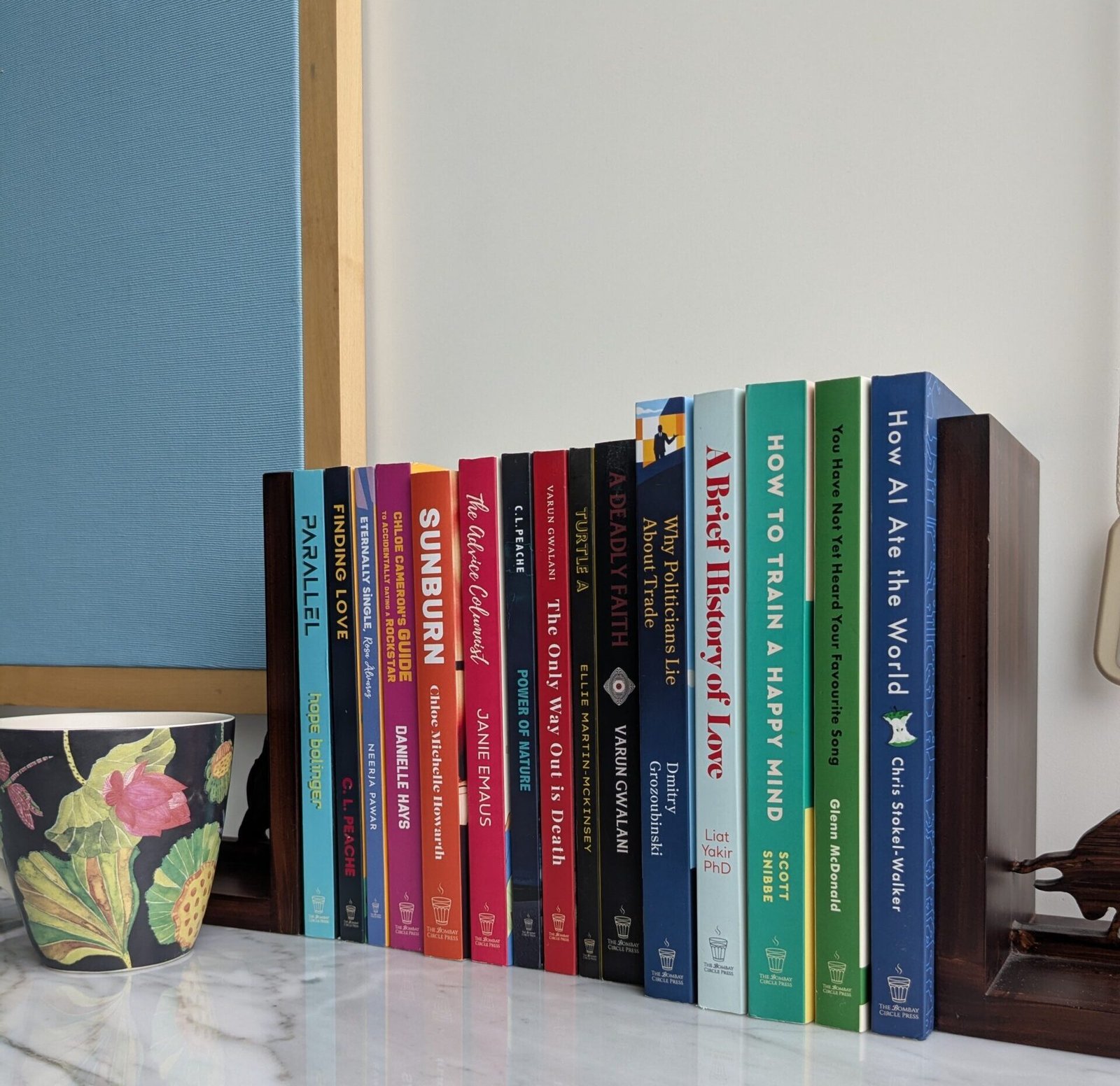
At The Bombay Circle Press, we are trying to build books that last—thoughtful, well-made, and distinctly unique. That work depends on a shared understanding that books have value. That authors deserve to be paid. That publishing, as an ecosystem, needs support to remain diverse and alive.
So the next time you pick up a ₹100 book, it’s worth asking a simple question.
What does it really cost—and who is paying for it?