


Whether you’ve been feeling stressed, burnt out, lonely, sad or any other type of difficult emotion, you can find comfort in knowing that others have felt the same way and that there are healthy ways to cope. The Bombay Circle Press has collected a list of the best books about mental health and self-discovery.
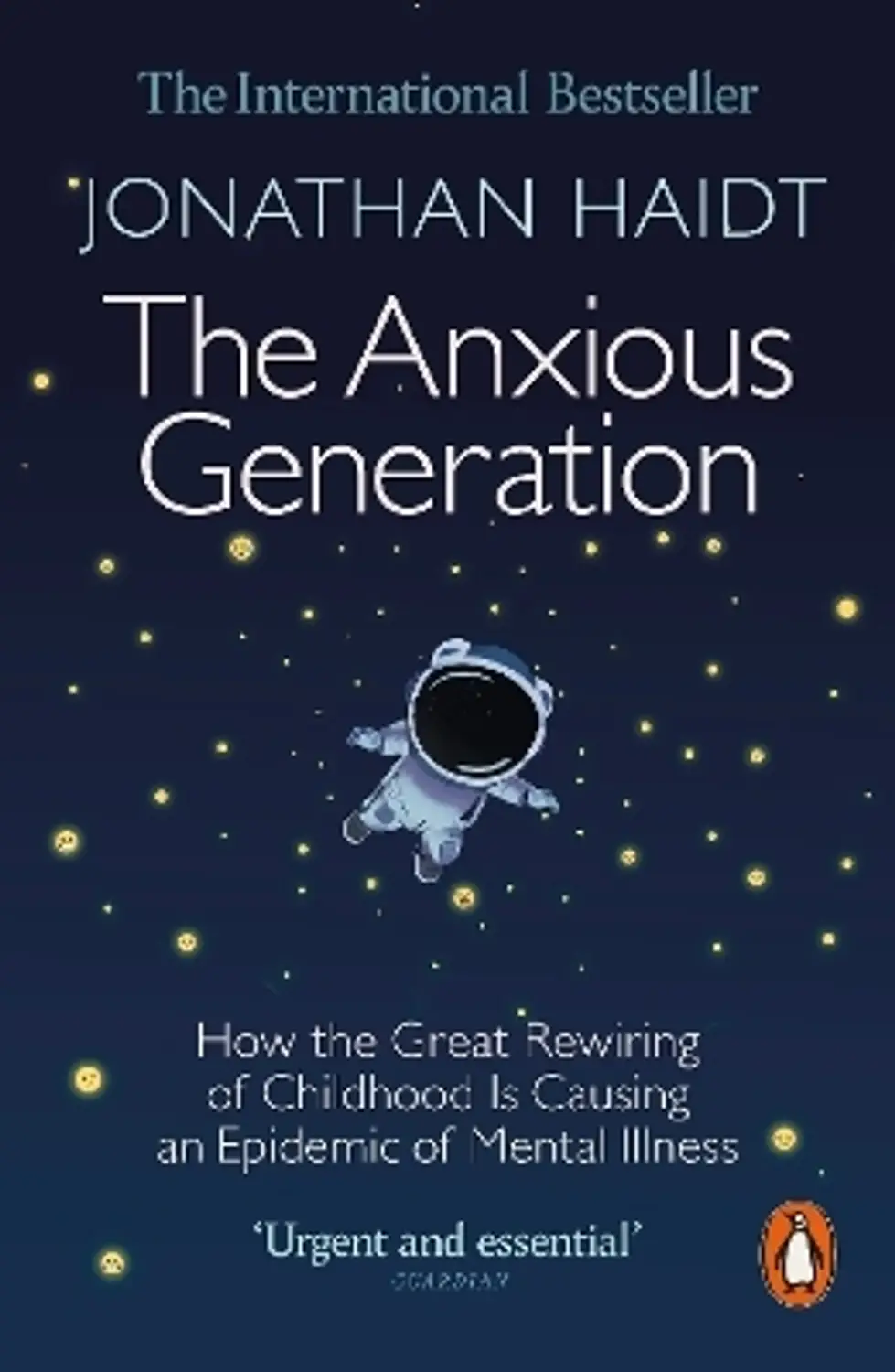
The Anxious Generation by Jonathan Haidt
In The Anxious Generation, social psychologist Jonathan Haidt lays out the facts about the epidemic of teen mental illness that hit many countries at the same time. He then investigates the nature of childhood, including why children need play and independent exploration to mature into competent, thriving adults. Haidt shows how the “play-based childhood” began to decline in the 1980s, and how it was finally wiped out by the arrival of the “phone-based childhood” in the early 2010s. He presents more than a dozen mechanisms by which this “great rewiring of childhood” has interfered with children’s social and neurological development, covering everything from sleep deprivation to attention fragmentation, addiction, loneliness, social contagion, social comparison, and perfectionism. He explains why social media damages girls more than boys and why boys have been withdrawing from the real world into the virtual world, with disastrous consequences for themselves, their families, and their societies.
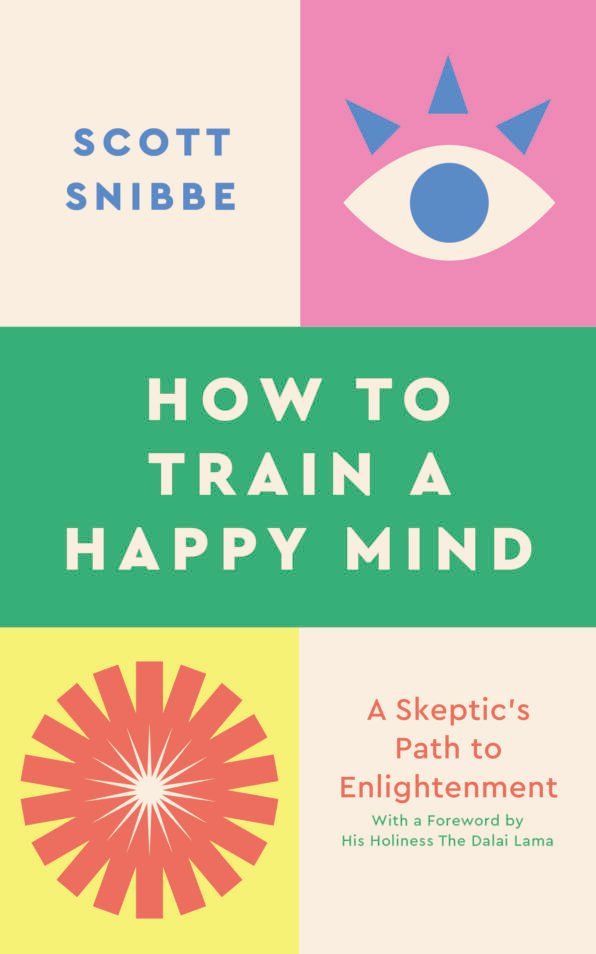
How to Train a Happy Mind by Scott Snibbe
Eager to share the life-enhancing benefits he found in Buddhism, skeptic Scott Snibbe presents this 8-step programme that allows anyone to build positive mental habits. Inspired by the ancient Buddhist path to enlightenment yet firmly grounded in modern science, How to Train a Happy Mind is the first mainstream book to show how you can achieve happiness using analytical meditation. Working in much the same way as cognitive behavioural therapy, analytical meditation goes beyond the calm-inducing practice of mindfulness to actively train the brain through easy-to-follow narrative visualisations. Breaking the path down into concise steps and written in a relatable tone with plenty of references to popular culture, this is the ideal book if you recognize your mind as both the source of your problems and the source of your solutions.
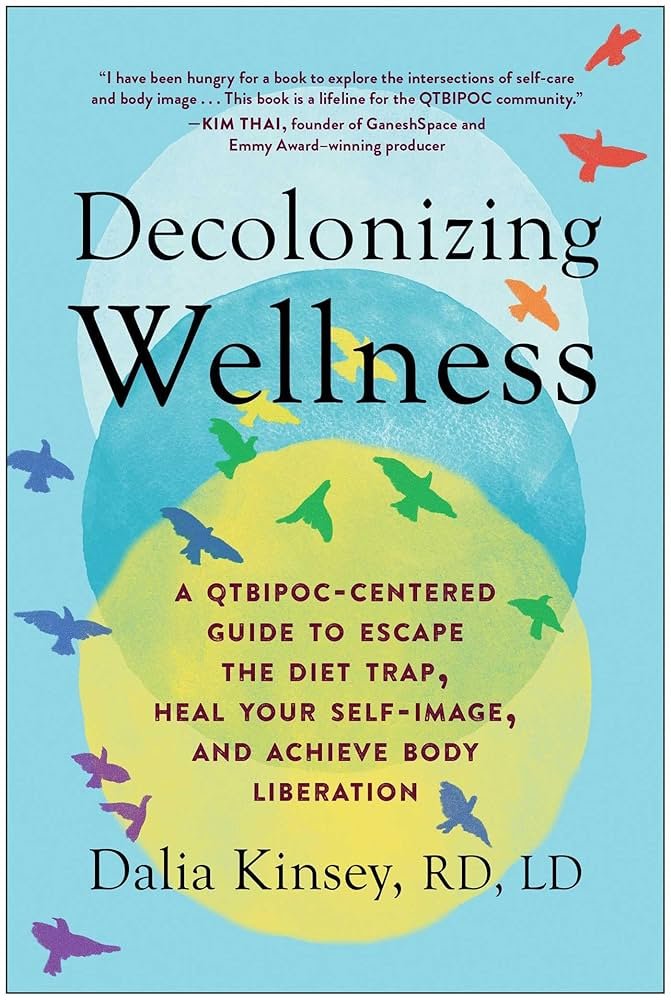
Decolonizing Wellness by Dalia Kinsey
In Decolonizing Wellness: A QTBIPOC-Centered Guide to Escape the Diet Trap, Heal Your Self-Image, and Achieve Body Liberation, registered dietitian and nutritionist Dalia Kinsey will help readers to improve their health without restriction, eliminate stress around food and eating, and turn food into a source of pleasure instead of shame. A road map to body acceptance and self-care for queer people of color, Decolonising Wellness is filled with practical eating practices, journal prompts, affirmations, and mindfulness tools. Ultimately, decolonising nutrition is essential not only to our personal well-being but to our community’s well-being and to the possibility of greater social transformation.
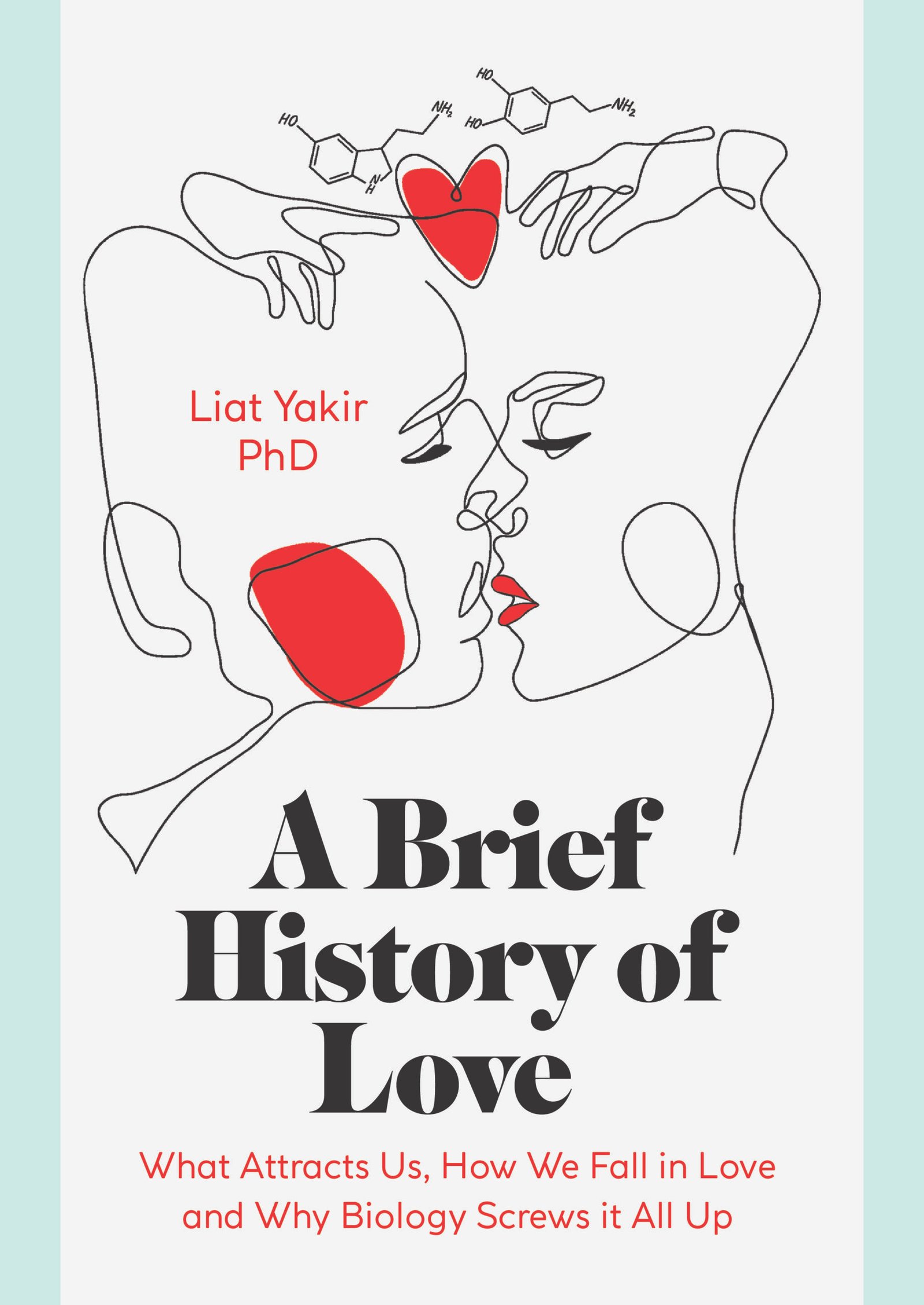
A Brief History of Love by Liat Yakir
Love is one of the most complex and confusing emotions in the human experience. It consumes so much of our lives and yet we don’t truly understand it—what it is on a biological, chemical and evolutionary level. This book takes you on a fascinating journey to explore the science of love, looking closely at the interplay between genes, hormones, emotions and relationships. Discover everything you need to know about why you are attracted to certain people, the brain’s role in your emotions, how to pick “the one” and how to preserve that love over time. Learn how to have better, healthier and more loving relationships by understanding the inner workings of love in your body.
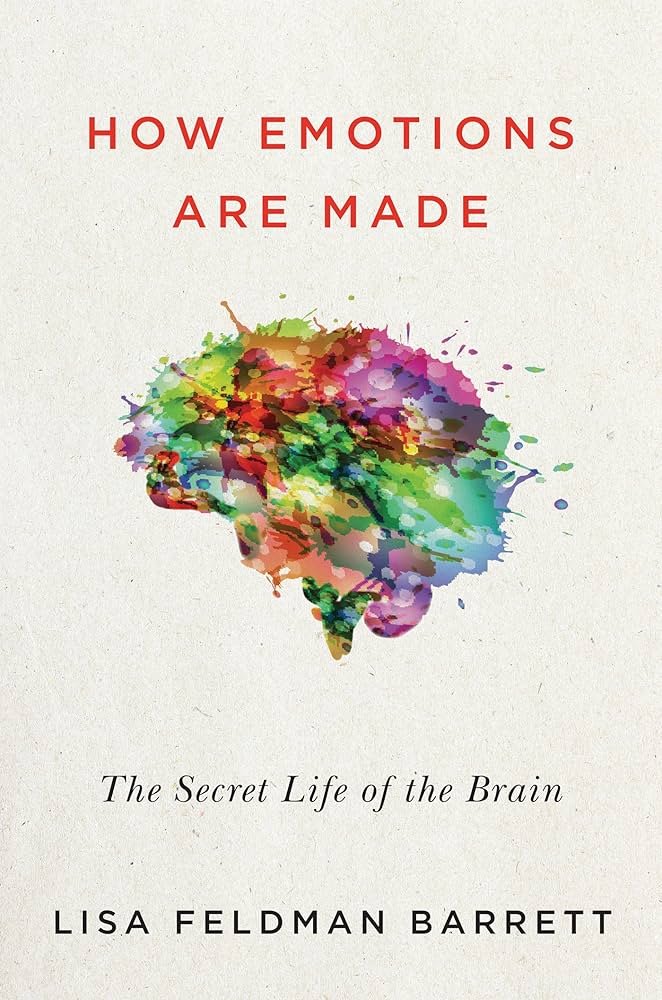
How Emotions Are Made by Lisa Feldman Barrett
Emotions feel automatic, like uncontrollable reactions to things we think and experience. Scientists have long supported this assumption by claiming that emotions are hardwired in the body or the brain. Today, however, the science of emotion is in the midst of a revolution on par with the discovery of relativity in physics and natural selection in biology—and this paradigm shift has far-reaching implications for us all. Her research overturns the widely held belief that emotions are housed in different parts of the brain and are universally expressed and recognised. Instead, she has shown that emotion is constructed in the moment, by core systems that interact across the whole brain, aided by a lifetime of learning. This new theory means that you play a much greater role in your emotional life than you ever thought. Its repercussions are already shaking the foundations not only of psychology but also of medicine, the legal system, child-rearing, meditation, and even airport security.
These nonfiction books on mental health and self-discovery will give you a roadmap to healing through learning about yourself. Look at The Bombay Circle Press’ bulletin for more recommendations in a variety of genres and topics.