

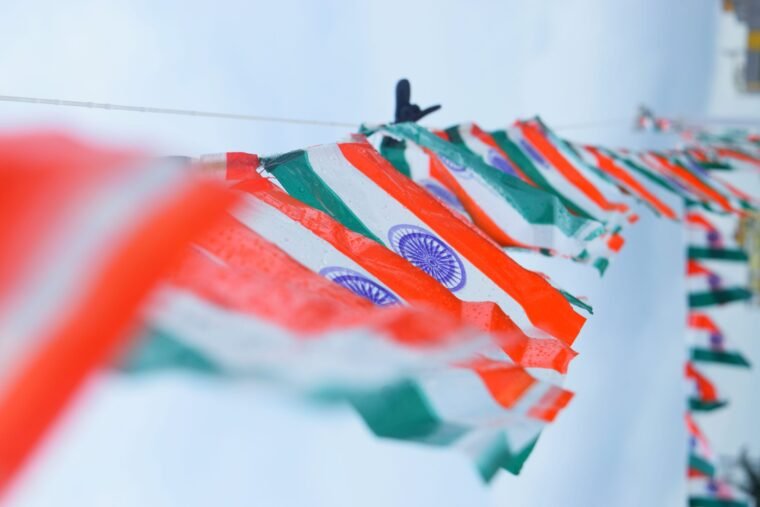
The Indian Freedom Movement was the one movement that brought together the Indian public in a mass sentiment. At the forefront of this were the freedom fighters: individuals who rose against the oppressors and inspired others too. To honour these freedom fighters and the spirit of democracy, The Bombay Circle Press has curated a list of book recommendations written by them during the freedom struggle.
The Discovery of India by Jawaharlal Nehru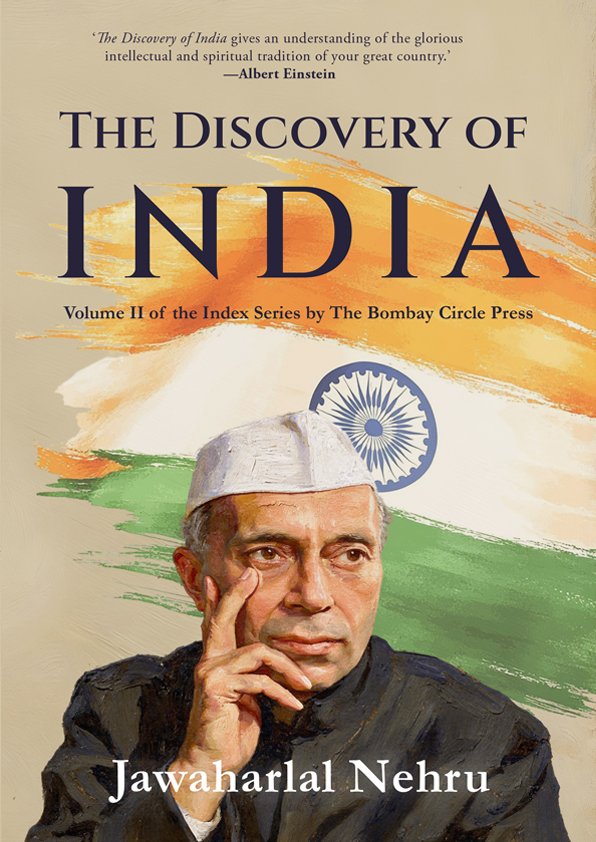
The Discovery of India was written by Pt. Jawaharlal Nehru during his imprisonment from 1942 to 1945 at Ahmednagar Fort in present-day Maharashtra by British colonial authorities, when India was at the threshold of independence. Nehru used this period of confinement and intellectual exchange to document his reflections on India’s diverse past. This book reflects his personal and intellectual exploration of the idea of India while providing a rich narrative of Indian history, philosophy and culture from the perspective of a leader striving for independence.
The Discovery of India traces the journey of India from the ancient history of her invaders to the final years of exploitation at the hands of the British. Drawing on his knowledge of the Upanishads, Vedas and historical texts, Nehru presents the development of India, from the Indus Valley Civilisation and through the socio-political transformations introduced by successive foreign powers, to his time.
This book was a successful attempt at capturing our nation’s lasting spirit—with a hope for a brighter future.
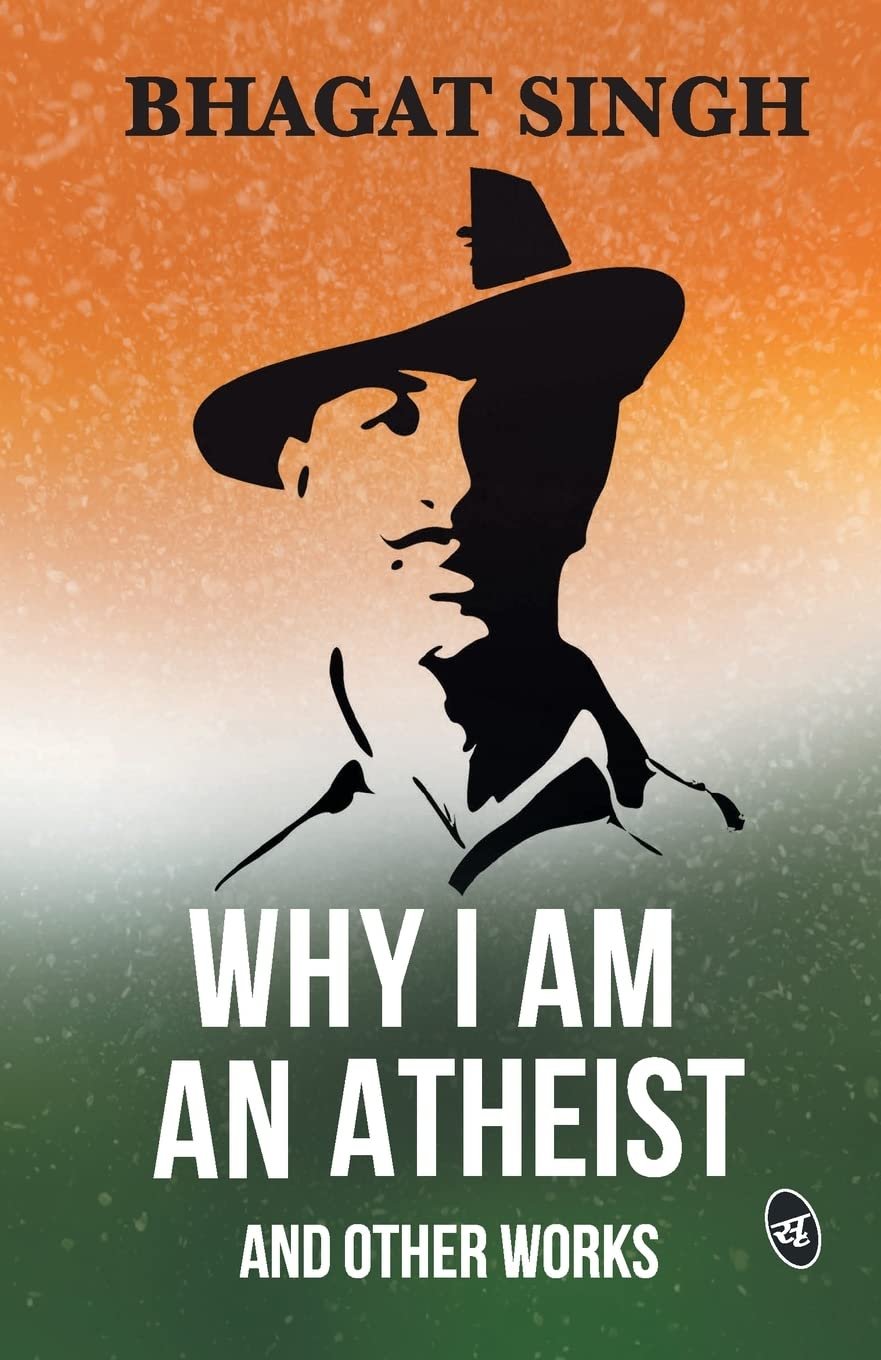 Why I Am An Atheist by Bhagat Singh
Young revolutionary Bhagat Singh’s Why I Am An Atheist is a collection of eighteen of his valued writings from within the walls of prison and outside it. His words showcase his resolve and bravery in the times of conflict.
Bhagat Singh is a name that became synonymous with revolution in India’s independence struggle. This young man changed the way people thought about freedom. He was well read and fought extensively for the rights of his comrades and his countrymen. A discussion with a friend soon turned into a matter of self-assessment for Bhagat Singh, leading to a discourse on why he chose to be an atheist. Even in the face of death at a very young age, his uncanny observation led to him asking pertinent questions.
India Wins Freedom by Maulana Azad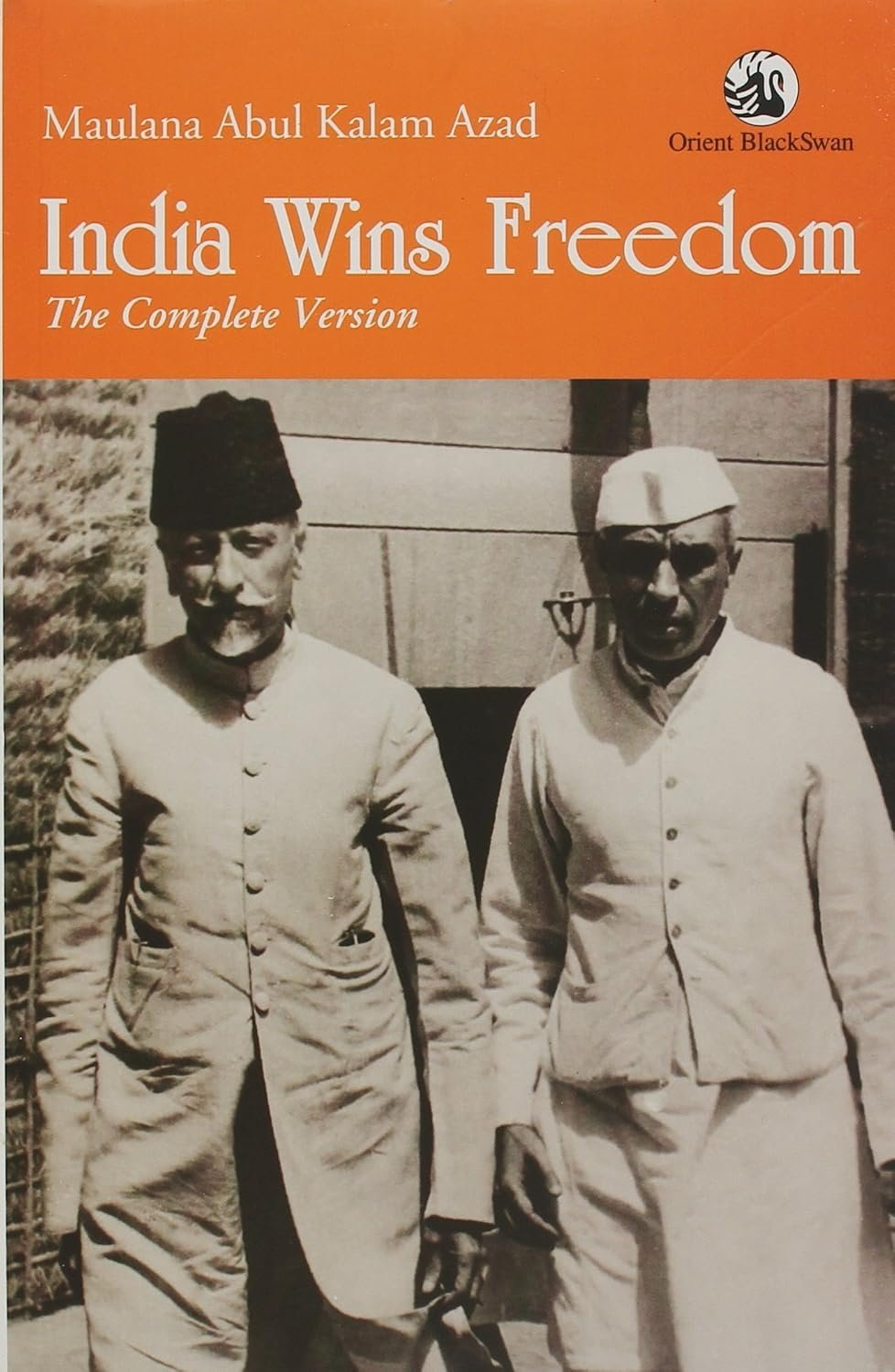
When the book was first published, it was sealed for its controversial take on India’s independence movement. Maulana Azad’s perspective provides an insightful account of the freedom movement and the partition. India Wins Freedom includes his personal experiences when India became independent, and his ideas on freedom and liberty.
Presented as an autobiographical narrative, India Wins Freedom and goes over the happenings of the Indian Independence movement. It traces the events that took place and ultimately led to the partition in a frank and profound manner.
According to Azad, India failed to maximise its potential when it gained independence. Through his writing, he further discusses political hypocrisy, and highlights the mindset of his contemporaries like Nehru, Gandhi, and Subhash Chandra Bose.
On being released to the public, over 30 million copies of the book were sold all over the world.
Through these writings, these Indian freedom fighters provide an account of India’s socio-cultural standing and situation at the time. These texts, and the persistence of their account defines the fabric of the freedom struggle, emphasising that ideas are bulletproof.
For more recommendations about books by Indian authors, and those written outside, stay connected to The Bombay Circle Press’ Bulletin.