

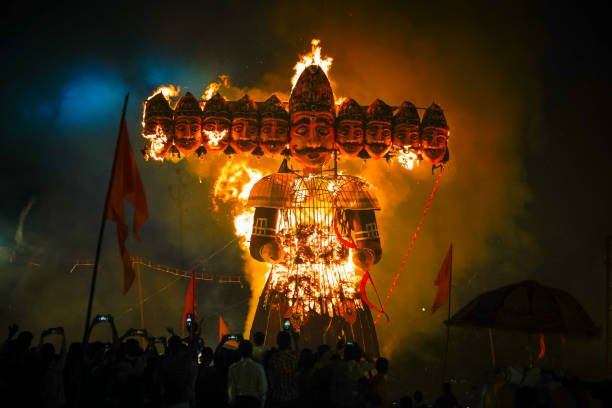
Indian mythology and history have never been short of villains. Demon kings, invading armies, power-hungry rulers—there’s no shortage of men who thought they could get away with being terrible. Thankfully, Indian literature has also given us plenty of women who are more than willing to prove them wrong. From mythological retellings that put women at the centre of familiar epics to historical fantasies filled with queens, warriors, and monsters, these recommendations by The Bombay Circle Press are for anyone who likes their heroines powerful, complicated, and very much in charge of their own stories.
Durga (Devi Series) by Kevin Missal
Nine women. Nine nights. One villain to defeat: Mahisha, the tyrannical demon-king of Jambudvipa.
Inspired by Navaratri, the Hindu festival celebrating Goddess Durga and her nine avatars, Durga blends Indian mythology and religious traditions into a story of revenge, cosmic justice, destiny, and divine balance. The nine women at the heart of the narrative draw parallels with Durga’s nine forms, bringing a mythological foundation to this tale of good versus evil. Through themes of faith, power, sacrifice, dharma, and righteous wrath, Kevin Missal explores the complexities of divine justice and female power.

Sita: Warrior of Mithila by Amish Tripathi
We all know Sita as one of the central figures of the Ramayana. But what if we imagined her not as someone waiting to be rescued, but as a warrior, leader, and woman capable of shaping her own destiny?
In Sita: Warrior of Mithila, Amish Tripathi reimagines Sita as a formidable figure at the heart of an epic mythological fantasy. Trained in the responsibilities of leadership and the realities of war, Sita grows into a woman who isn’t just a coy maiden but understands that power comes with difficult choices.
Blending mythology, political intrigue, warfare, and romance, this retelling gives a familiar story a fresh perspective while placing Sita firmly at its centre.
The Forest of Enchantments by Chitra Banerjee Divakaruni
What if the Ramayana were told by the women who lived through it?
Chitra Banerjee Divakaruni reimagines one of the world’s greatest epics as a deeply human story of love, betrayal, duty, and honour, placing Sita’s voice and experiences at the heart of the narrative.
Beyond Sita, the novel brings forward women often misunderstood or pushed to the margins of the epic, including Kaikeyi, Surpanakha, and Mandodari.
A concoction of mythology with contemporary questions about relationships, infidelity, and women’s rights, The Forest of Enchantments is a compelling pick for readers who love feminist retellings that challenge familiar narratives and give a voice to the women history has often overlooked.
Burn the Sea by Mona Tewari
Set against the backdrop of 16th-century South India, Burn the Sea draws inspiration from the story of Abbakka Chowta, the legendary queen of Ullal. Abbakka has spent years training in combat, preparing to become her sister’s blade. But when the monstrous Porcugi return to threaten her homeland, she is forced into a role she never expected: becoming a queen herself.
With South Indian history, folklore, warfare, and a heroine caught between the expectations of a throne and the demands of battle, Burn the Sea offers a thrilling take on the warrior-queen narrative.
Whether you’re here for mythological retellings, warrior goddesses, legendary queens, or heroines who refuse to let the villains have the final word, these books bring plenty of battles, betrayals, and women taking back the narrative. Because according to The Bombay Circle Press Bulletin sometimes, destroying a Raavan is just the beginning.